Qualcomm Unveils High Bandwidth Compute (HBC): A New Era for Memory-Compute Solutions
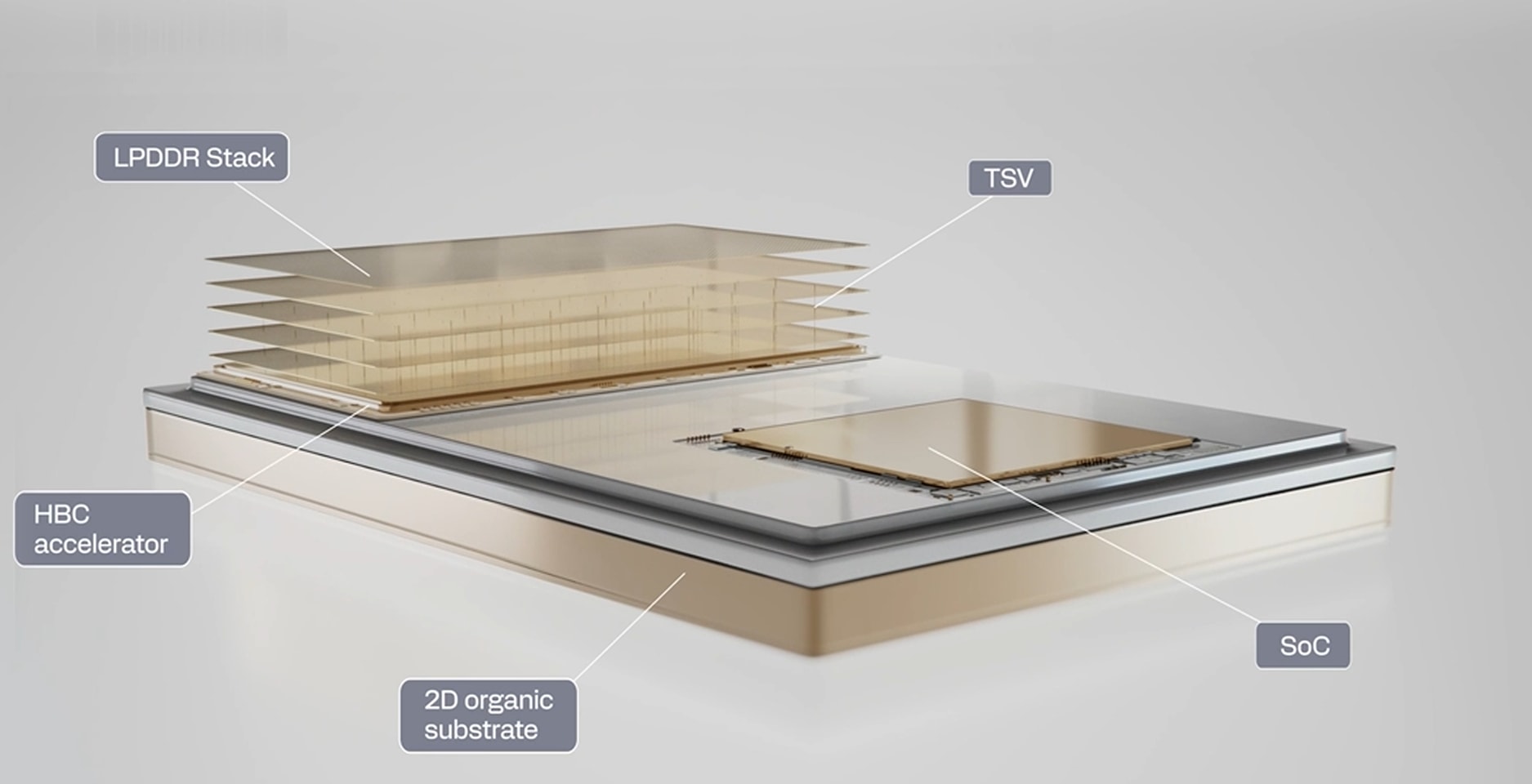
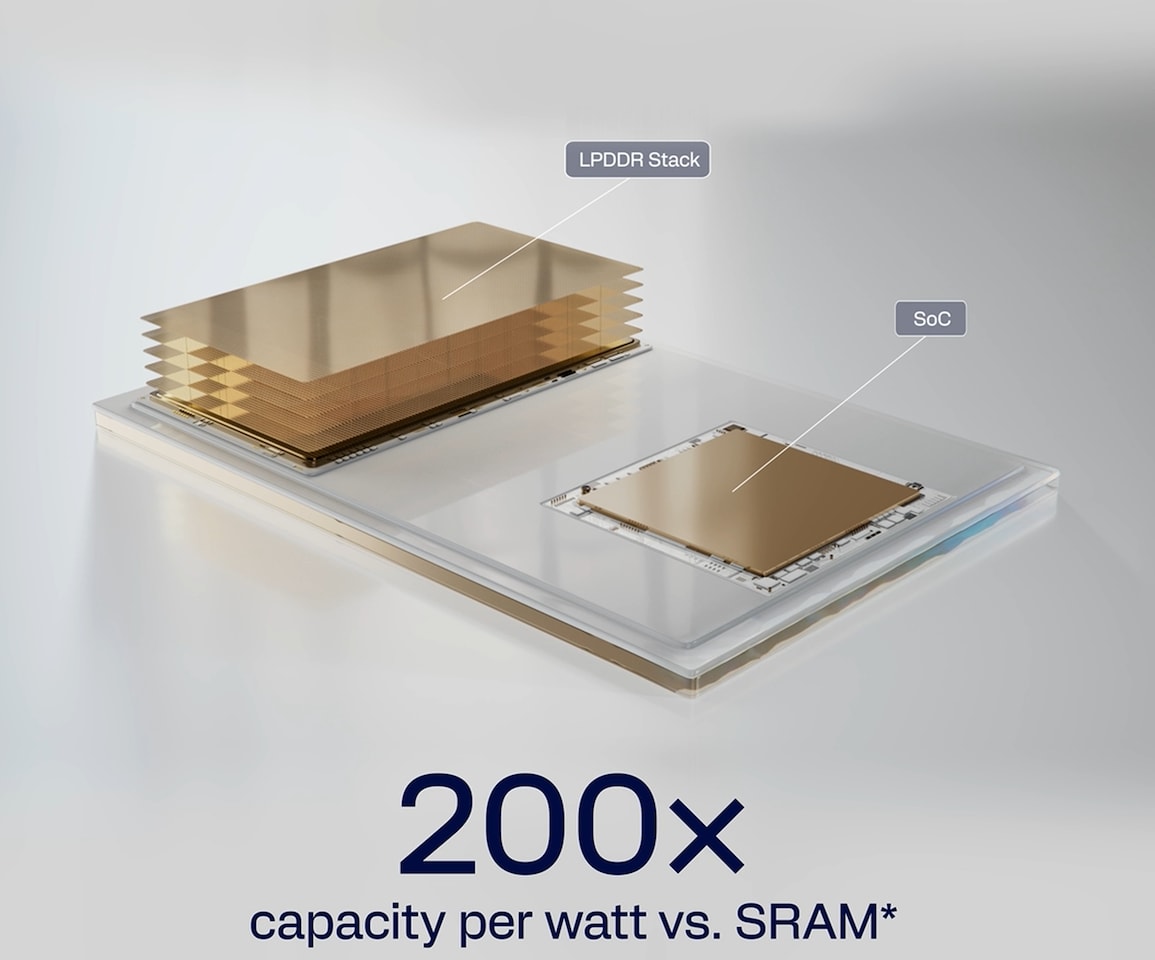
Qualcomm has introduced its High Bandwidth Compute (HBC) product, a groundbreaking memory-compute hybrid designed to surpass traditional High Bandwidth Memory (HBM) in performance, efficiency, and data throughput. This innovative solution leverages LPDDR memory, stacking multiple layers vertically in a 3D configuration and connecting them using through-silicon vias (TSVs). By utilizing low-power DDR (LPDDR) chips, HBC achieves superior energy efficiency compared to conventional HBM, which typically relies on standard DDR memory. The result is reduced power consumption without compromising bandwidth or capacity.
Advanced Architecture for Enhanced Performance
At the core of Qualcomm’s HBC is a compute die positioned at the base of the memory stack. This compute die enables near-memory computation, offloading certain processing tasks from the main processor and streamlining data movement. The approach is reminiscent of HBM4 memory, where a logic die at the base facilitates advanced compute integration for tasks such as packet tracing and data preparation. However, Qualcomm’s HBC aims to push efficiency even further, optimizing data flow and minimizing energy usage.
Impressive Bandwidth and Efficiency Gains
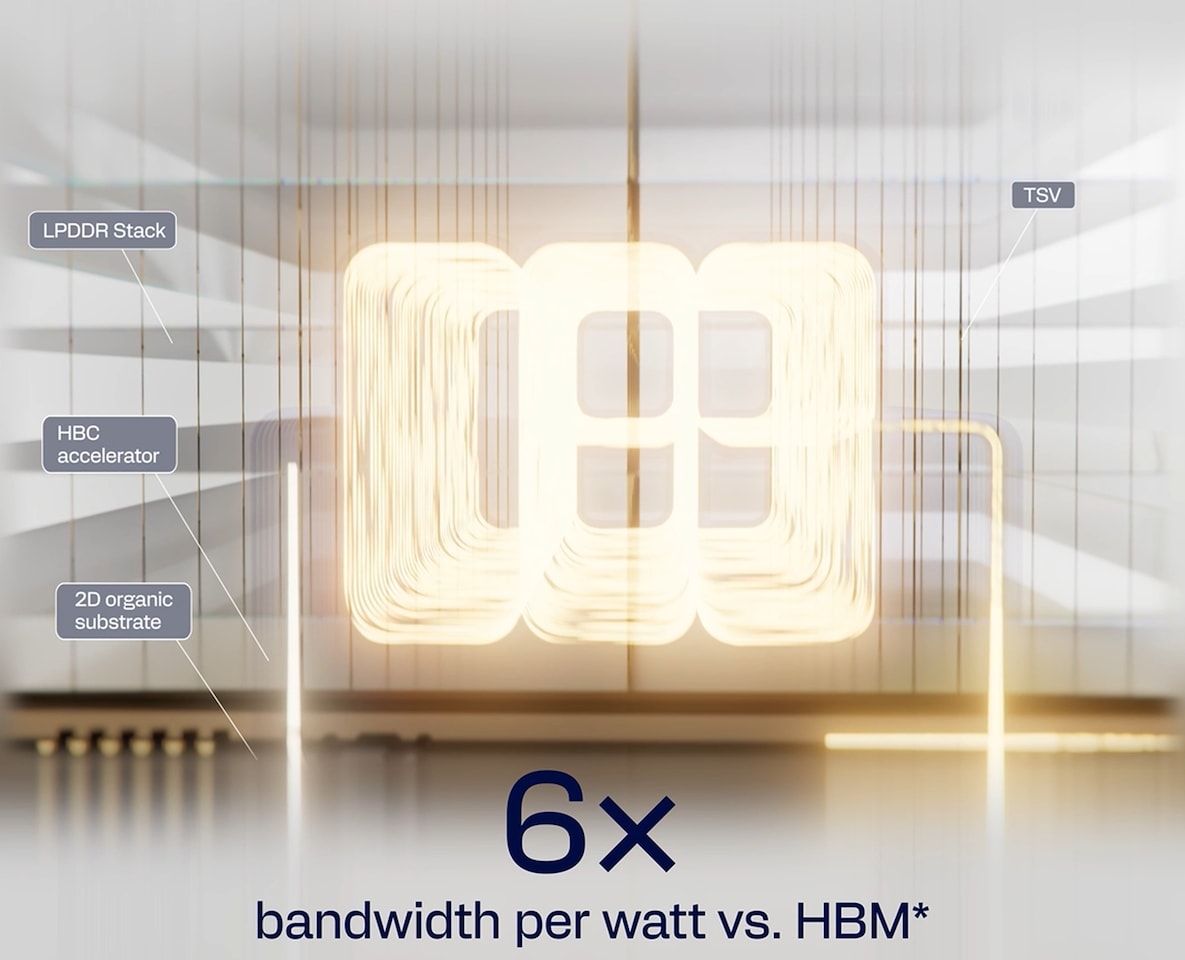
Qualcomm reports that HBC delivers a sixfold increase in bandwidth per watt compared to current HBM standards, likely referencing HBM4. In practical terms, HBC Gen 1 achieved an impressive 133 TB/s of bandwidth on the AI250 accelerator card—an 18-fold improvement over the LPDDR5X memory used in the previous AI200 card. This leap in performance positions HBC as a transformative technology for AI accelerators and high-performance computing applications.
Roadmap and Future Developments
The company has outlined a clear roadmap for integrating HBC across its AI accelerator lineup. HBC Gen 1 is scheduled to debut with the AI250 AI accelerator in mid-2027, with a next-generation HBC Gen 2 already in development and expected to deliver even greater bandwidth enhancements. These advancements underscore Qualcomm’s commitment to driving innovation in memory-compute architectures for AI and data-intensive workloads.
Manufacturing and Supply Chain Considerations
While Qualcomm has shared details about HBC’s architecture and performance, some aspects remain undisclosed. It is not yet clear which version of LPDDR memory is being used, the source of the LPDDR chips, or the specific manufacturing partners involved in packaging the HBC modules. Qualcomm traditionally manufactures its Snapdragon SoCs at TSMC, but the compute die for HBC could be produced by any memory manufacturer collaborating on the project. Samsung Foundry emerges as a logical candidate, given its expertise in both LPDDR production and custom logic manufacturing, though Qualcomm has not confirmed any partnerships at this stage.
Qualcomm’s High Bandwidth Compute represents a significant step forward in memory-compute integration, promising substantial gains in efficiency and performance for next-generation AI accelerators and high-performance computing systems.