AMD Prepares for Next-Generation Zen 7 CPUs with Advanced Manufacturing and AI Features
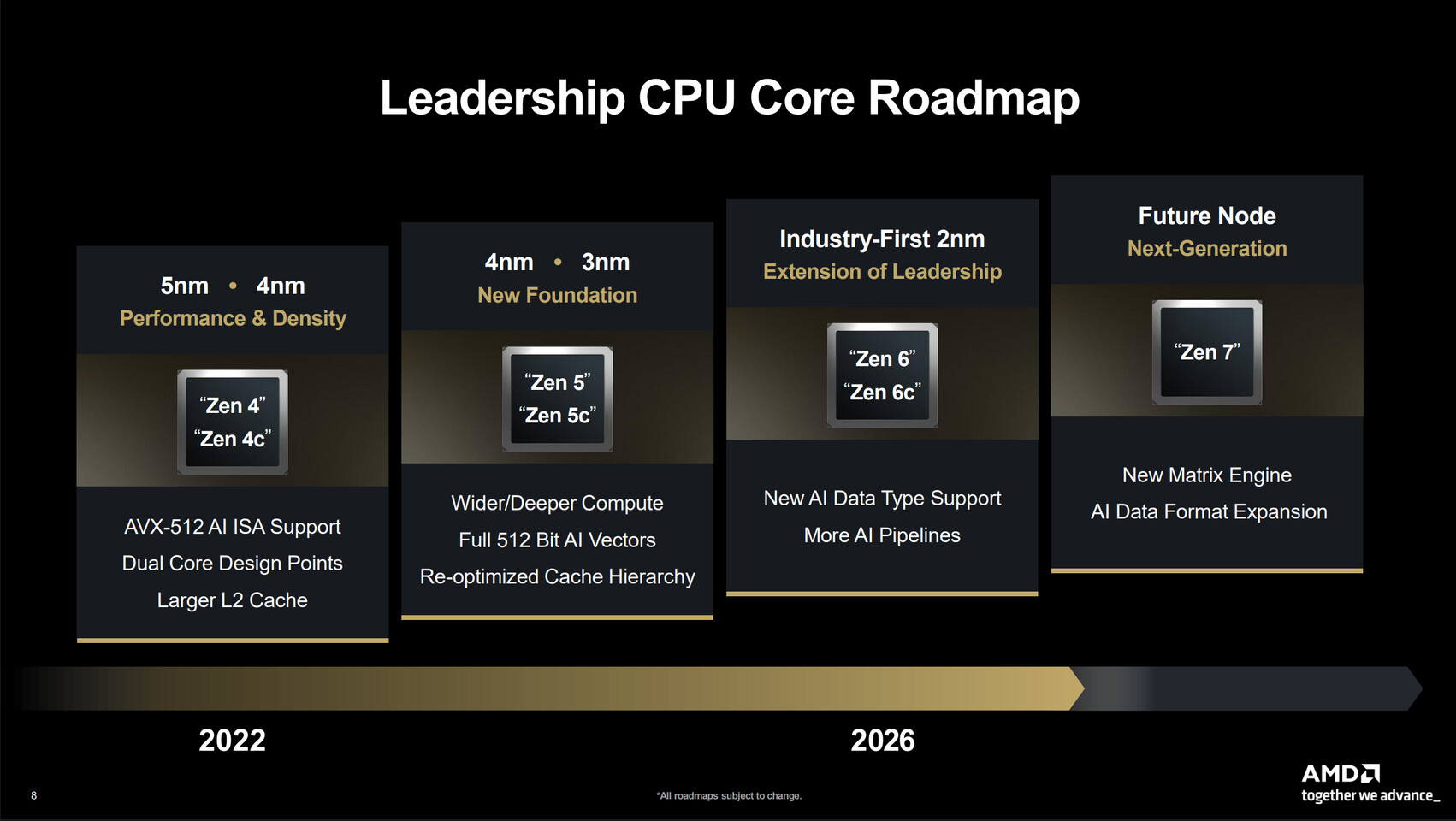
AMD is steadily advancing its processor roadmap, with the upcoming "Zen 6" EPYC "Venice" server CPUs already in high-volume production on TSMC’s 2 nm process. Looking further ahead, new details are emerging about the next-generation "Zen 7" architecture, which is poised to introduce significant innovations in both manufacturing technology and processor capabilities.
Zen 7 to Leverage TSMC’s A14 Node
According to reports from Taiwan’s Commercial Times, AMD is considering TSMC’s A14 node for its "Zen 7" CPUs. This would mark AMD’s first use of an angstrom-era manufacturing process, representing a major leap in transistor density, power efficiency, and overall performance. The move to the A14 node is expected to deliver substantial improvements over the already advanced 2 nm technology used for "Zen 6."
AI-Optimized Architecture and Enhanced Instruction Sets
The "Zen 7" CCD IP, codenamed "Grimlock," is designed with artificial intelligence workloads in mind. AMD aims to enable each CCD to efficiently handle up to 16 CPU cores, optimizing performance for modern data center and AI applications. Among the standout features are:
- AVX10: This new instruction set unifies AVX-512 and AVX2, enhancing performance and compatibility for vector-intensive workloads commonly found in scientific computing, AI, and data analytics.
- ACE (Advanced Matrix Extensions): An industry-standard matrix math instruction set, ACE is expected to benefit a wide range of devices, from smartphones to high-performance servers, by accelerating matrix operations crucial for AI and machine learning.
- FRED (Flexible Return and Event Delivery): Replacing the traditional device interrupt model, FRED aims to reduce system-level latency, improving responsiveness in complex computing environments.
- ChkTag x86 Memory Tagging: This security feature addresses memory-level vulnerabilities such as buffer overflows and use-after-free errors, enhancing system reliability and data protection.
Innovations in Packaging: Exploring 3D V-Cache and FOPLP
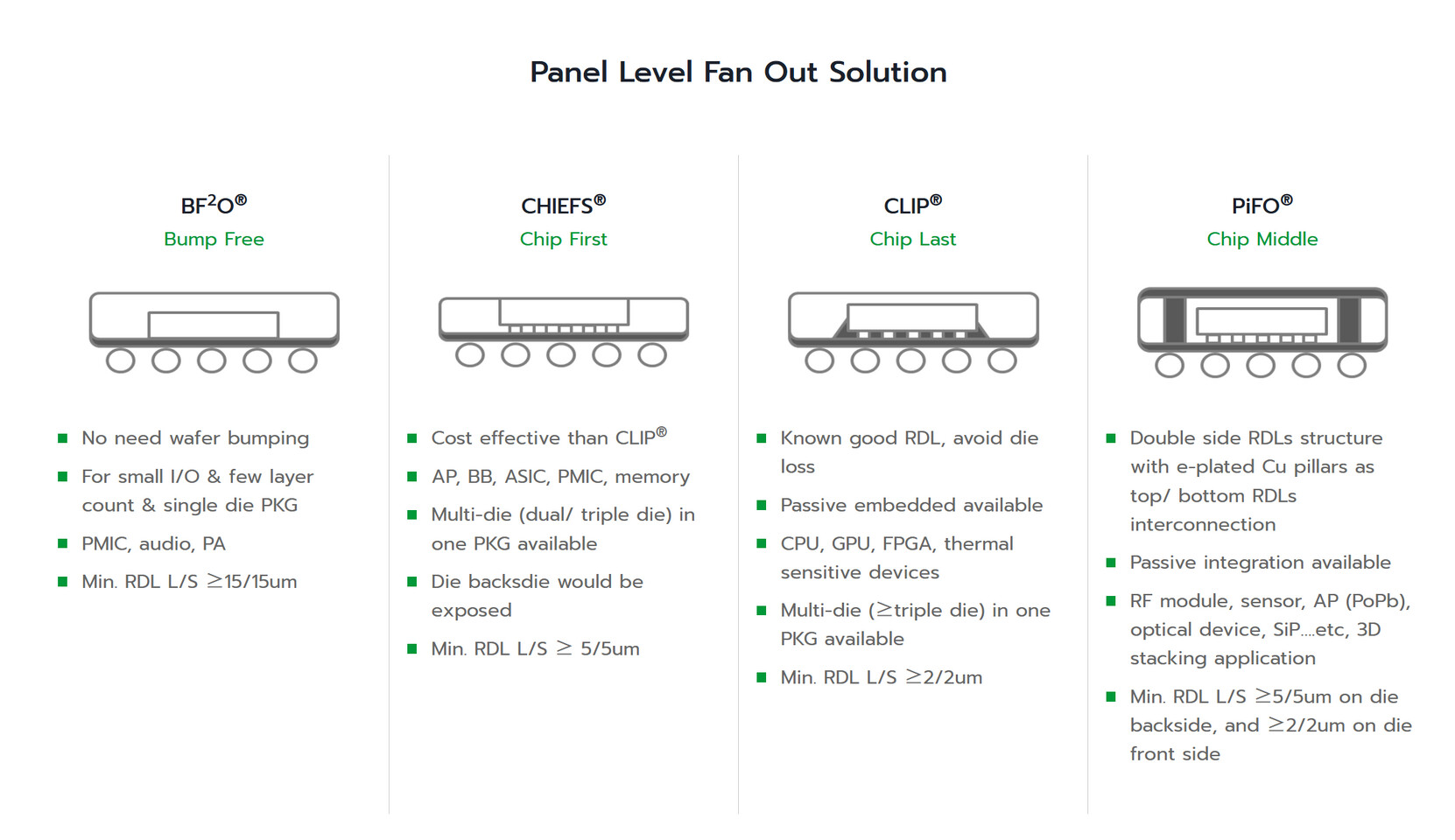
AMD is also evaluating advanced packaging technologies to complement its next-generation CPUs. The company is reportedly considering next-generation 3D V-Cache technology, which stacks additional cache memory to boost performance in data-intensive workloads. Additionally, AMD is exploring Powertech’s Fan-Out Panel-Level Packaging (FOPLP) solutions. Powertech, a leading Taiwanese OSAT (Outsourced Semiconductor Assembly and Test) provider, offers a range of FOPLP technologies that could help AMD diversify its supply chain and reduce reliance on TSMC for silicon packaging.
As AMD continues to innovate across both processor architecture and manufacturing, the upcoming "Zen 7" CPUs are set to deliver significant advancements in performance, efficiency, and AI capabilities, reinforcing the company’s leadership in the server and data center market.