First Look at Intel Crescent Island PCIe Accelerator: Key Details Revealed
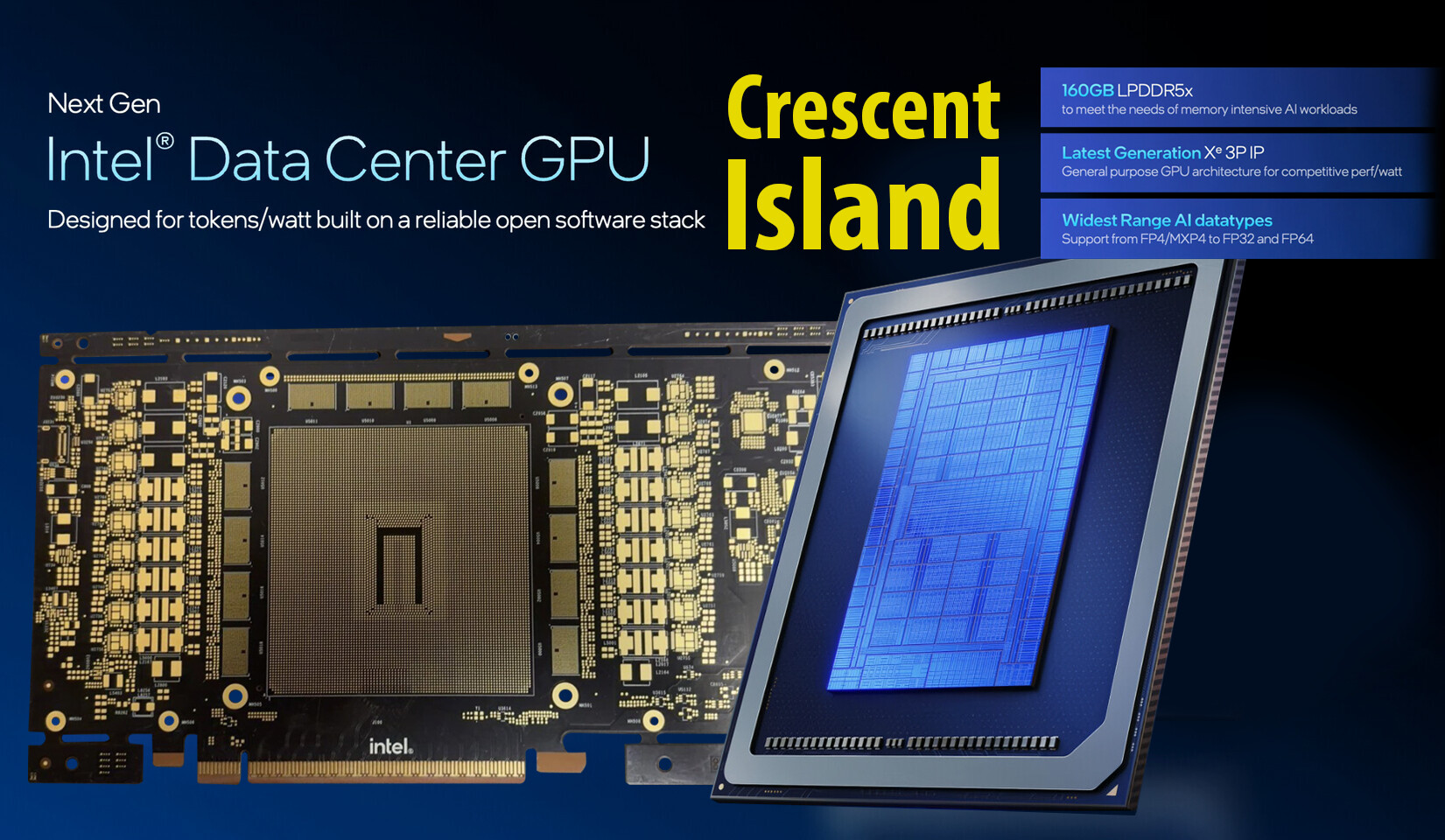
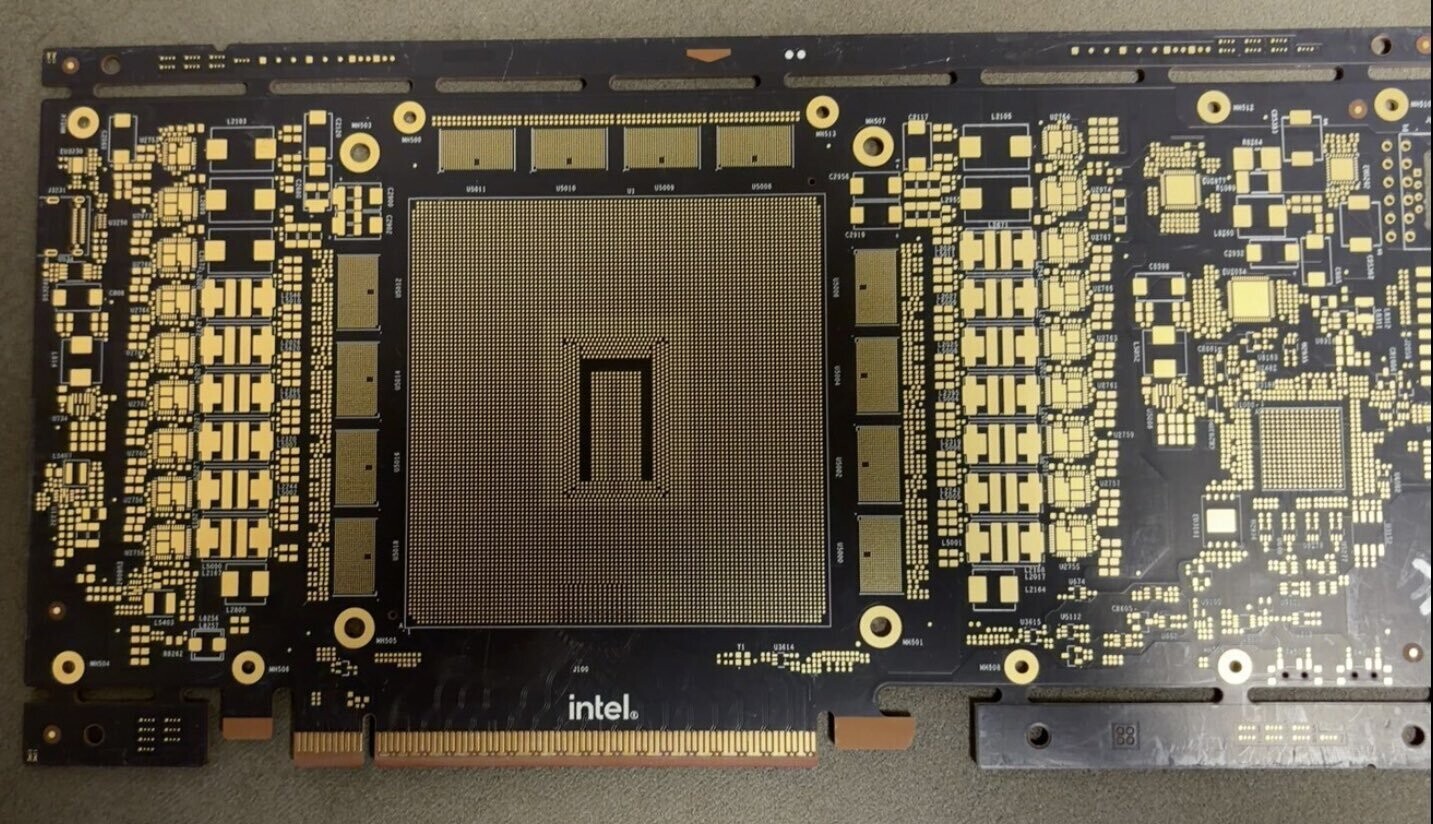
A recent PCB leak from YuuKi_AnS has provided the first glimpse of Intel’s upcoming Crescent Island PCIe accelerator, highlighting several notable features and design choices. The most striking observation is the size of the Xe3P GPU die, which is visibly larger than the Xe2-based BMG-G31 found in Intel’s current Arc lineup. Xe3P represents the next evolution in Intel’s GPU architecture, following the current Xe3. While Xe3 is targeted at client products under the Arc C-Series branding, Xe3P is designed as a scalable architecture, spanning from integrated graphics in client devices to data center inference workloads.
Memory Configuration: LPDDR5X Instead of HBM
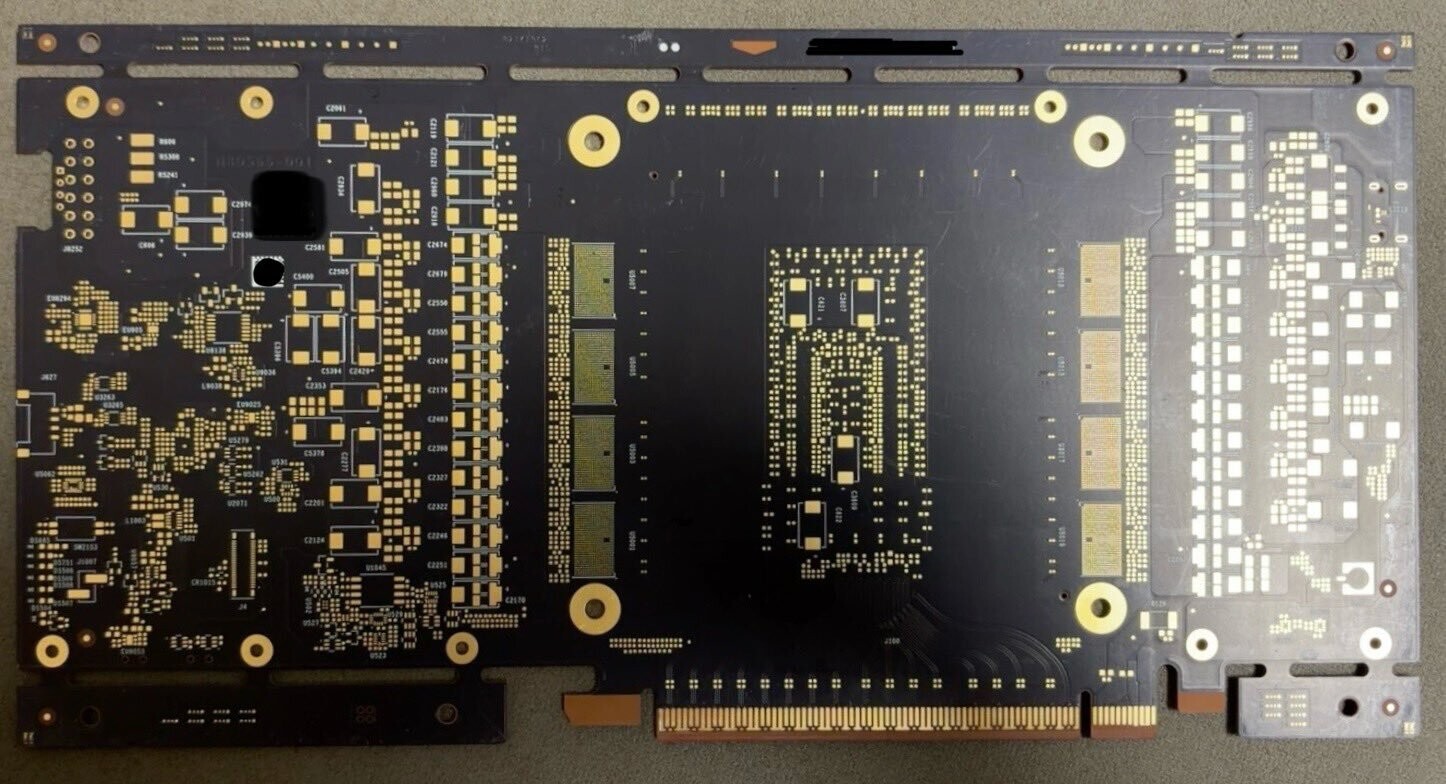
The memory setup on the Crescent Island PCB confirms earlier rumors, notably those shared by leaker Jaykihn in April. Instead of using High Bandwidth Memory (HBM), Intel has opted for LPDDR5X. The PCB features 20 memory sites—12 on the front and 8 on the back—each supporting 8 GB modules, allowing for a total memory capacity of up to 160 GB. This strategic move helps Intel avoid ongoing HBM supply constraints and manage costs, though it does mean trading off some bandwidth compared to HBM-based solutions.
Power Delivery and Additional Features
Examining the rest of the PCB, there are 13 populated VRM stages out of a possible 18, indicating robust power delivery for the GPU. Power is supplied via a single 16-pin connector located on the back of the board. Additionally, a USB Type-C port is present on the side, which appears to be intended for engineering and testing rather than as a feature for end users.
Market Position and Release Expectations
According to the source, the leaked PCB design for Intel Crescent Island appears close to final, though the official launch is still several months away. Current information suggests that no gaming variant is planned for this GPU. Recently, Intel introduced the Arc Pro B70 and B65 professional graphics cards, both based on Battlemage Xe2 silicon. Meanwhile, speculation about a higher-end Arc B770 gaming model has quieted as Computex approaches.
The Crescent Island PCIe accelerator demonstrates Intel’s focus on scalable GPU solutions for both client and data center applications, with design choices aimed at balancing performance, supply chain stability, and cost efficiency.