NVIDIA Unveils Breakthrough Algorithm for Real-Time Path Tracing
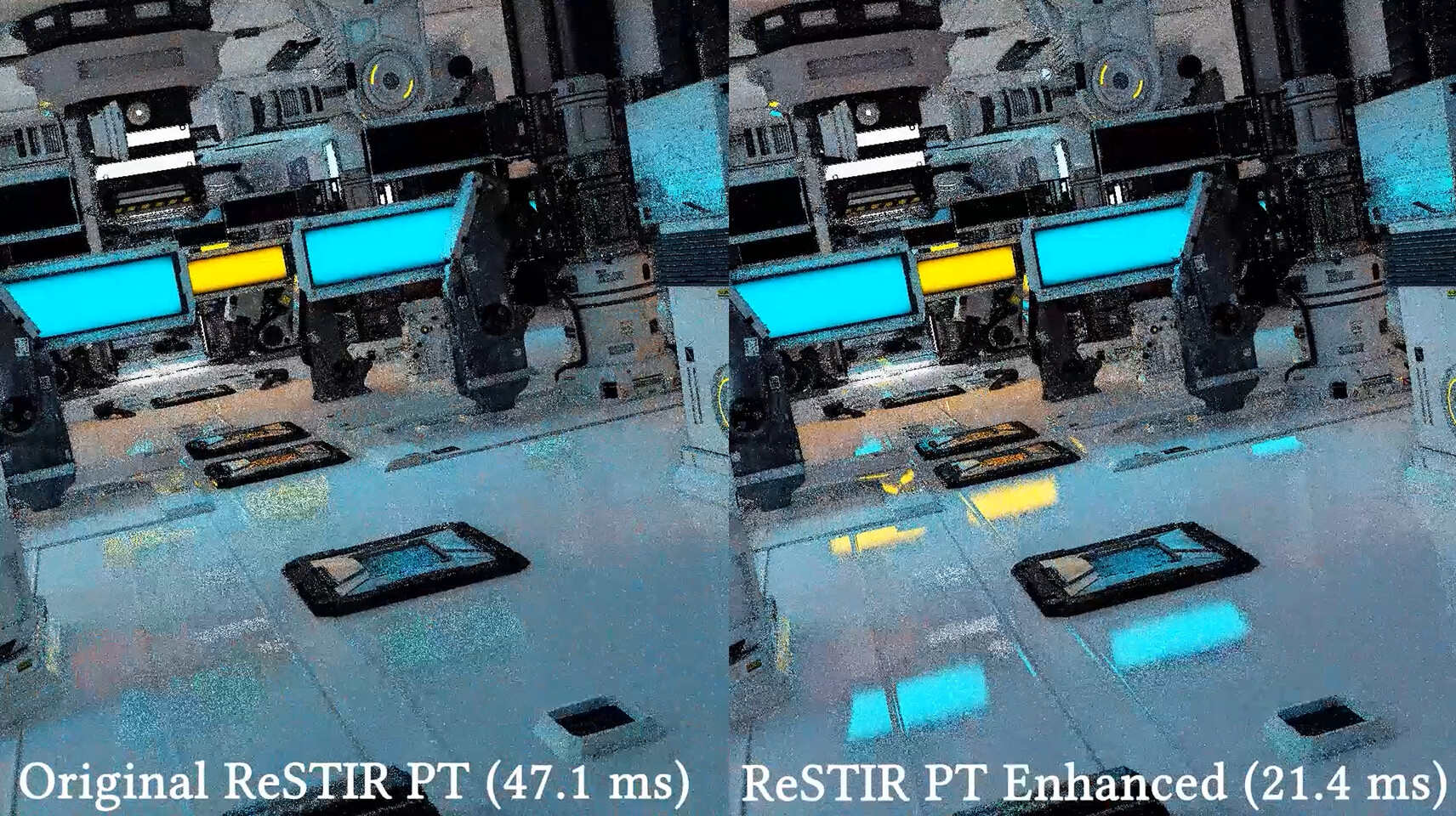
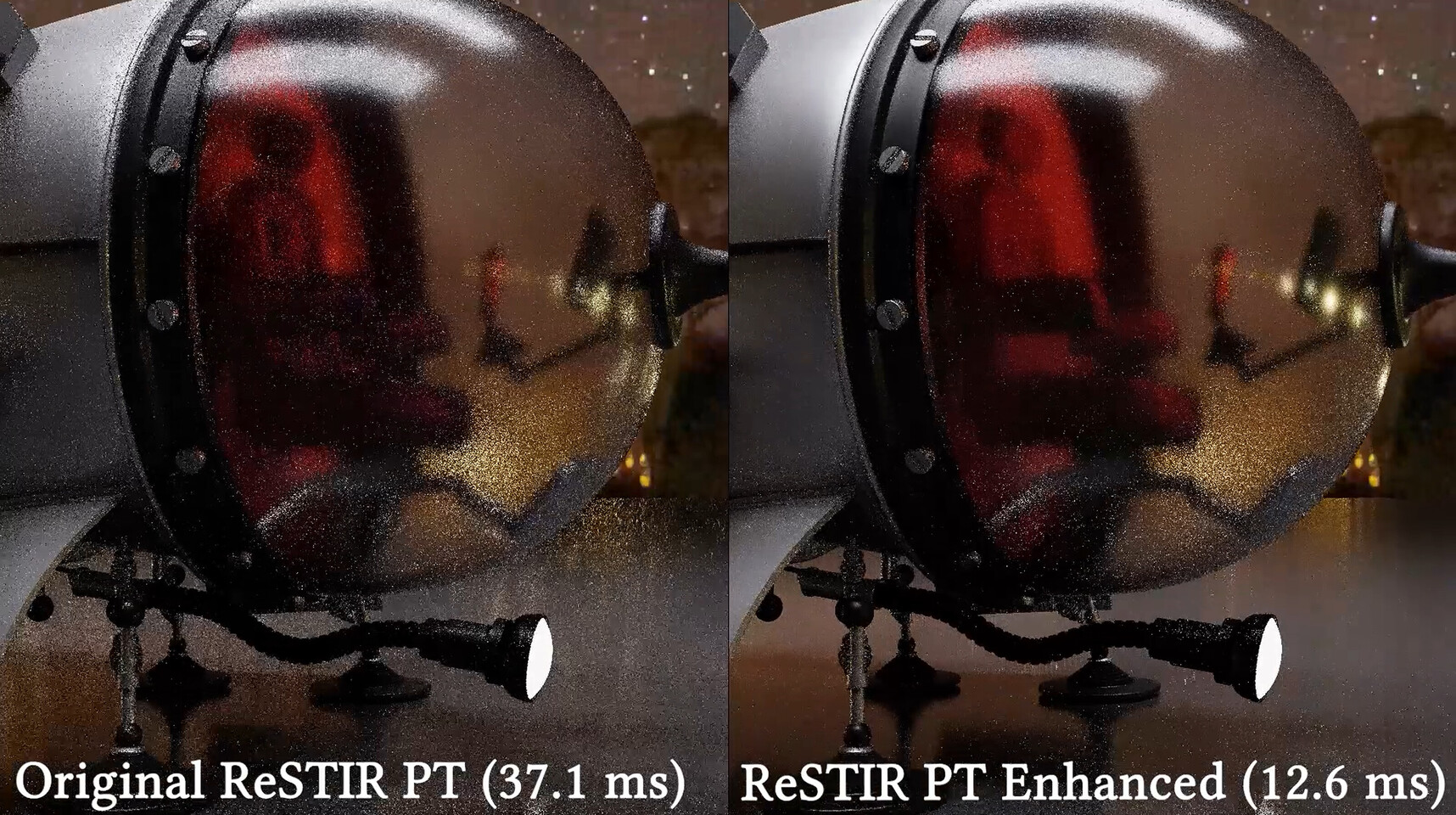
NVIDIA has announced a significant advancement in real-time path tracing technology, introducing a new algorithm that promises to make path tracing 2-3 times faster while delivering superior visual quality and enhanced robustness. This innovation is set to be showcased at the upcoming ACM SIGGRAPH conference on Computer Graphics and Interactive Techniques in May.
Revolutionizing Real-Time Path Tracing
Path tracing is widely recognized as the gold standard for realistic rendering, simulating the complex interactions of light to produce lifelike images. However, the computational demands of real-time path tracing have traditionally exceeded the capabilities of even the most advanced GPUs, leading developers to rely on approximations, denoising, and upscaling techniques in modern games.
NVIDIA’s latest algorithm marks a departure from these workarounds, moving closer to fully realistic, real-time rendering. By optimizing the underlying processes, this new approach aims to make real-time path tracing not only feasible but also practical for future applications.
Key Innovations in ReSTIR PT Enhanced
The new algorithm builds upon Reservoir-based Spatiotemporal Importance Resampling (ReSTIR), a technique introduced in 2020 that dramatically improved the efficiency of real-time ray and path tracing by reusing light samples across frames. The enhanced version, referred to as ReSTIR PT Enhanced, introduces several critical improvements:
- Increased Speed: The algorithm is 2-3 times faster than previous implementations, significantly reducing the computational load.
- Improved Visual and Numerical Accuracy: Enhancements decrease both visual artifacts and numerical errors, resulting in more realistic and stable images.
- Greater Robustness: New engineering insights and optimizations make the algorithm more reliable and closer to production-ready for real-world applications.
- Optimized Spatial Reuse: Spatial reuse costs are halved through reciprocal neighbor selection, improving efficiency.
- Advanced Shift Mappings: Footprint-based reconnection criteria strengthen the robustness of shift mappings.
- Reduced Spatiotemporal Correlation: Duplication maps help minimize unwanted correlations, further enhancing image quality.
- Unified Illumination Reservoirs: Direct and global illumination are unified into the same reservoirs, streamlining the rendering process.
- Noise Reduction: Existing techniques are leveraged to reduce both color noise and disocclusion noise, contributing to cleaner final images.
Implications for the Future of Game Graphics
Historically, milestones such as Dynamic Diffuse Global Illumination (DDGI) in 2019 and the original ReSTIR in 2020 have paved the way for more realistic lighting in games, even on current-generation consoles. These technologies made dynamic lighting and real-time global illumination more accessible and affordable for developers.
With the introduction of ReSTIR PT Enhanced, NVIDIA is setting the stage for the next leap in real-time graphics. This advancement could enable game developers to achieve unprecedented levels of visual fidelity without the need for prohibitively powerful hardware. As the technology matures and becomes integrated into commercial engines, players can expect to see more immersive and visually stunning experiences in future titles.
While the full research paper is scheduled for release in May, early demonstrations indicate that NVIDIA’s new algorithm represents a major step forward in real-time rendering technology. As the industry continues to push the boundaries of what is possible, innovations like these will play a crucial role in shaping the future of interactive graphics.