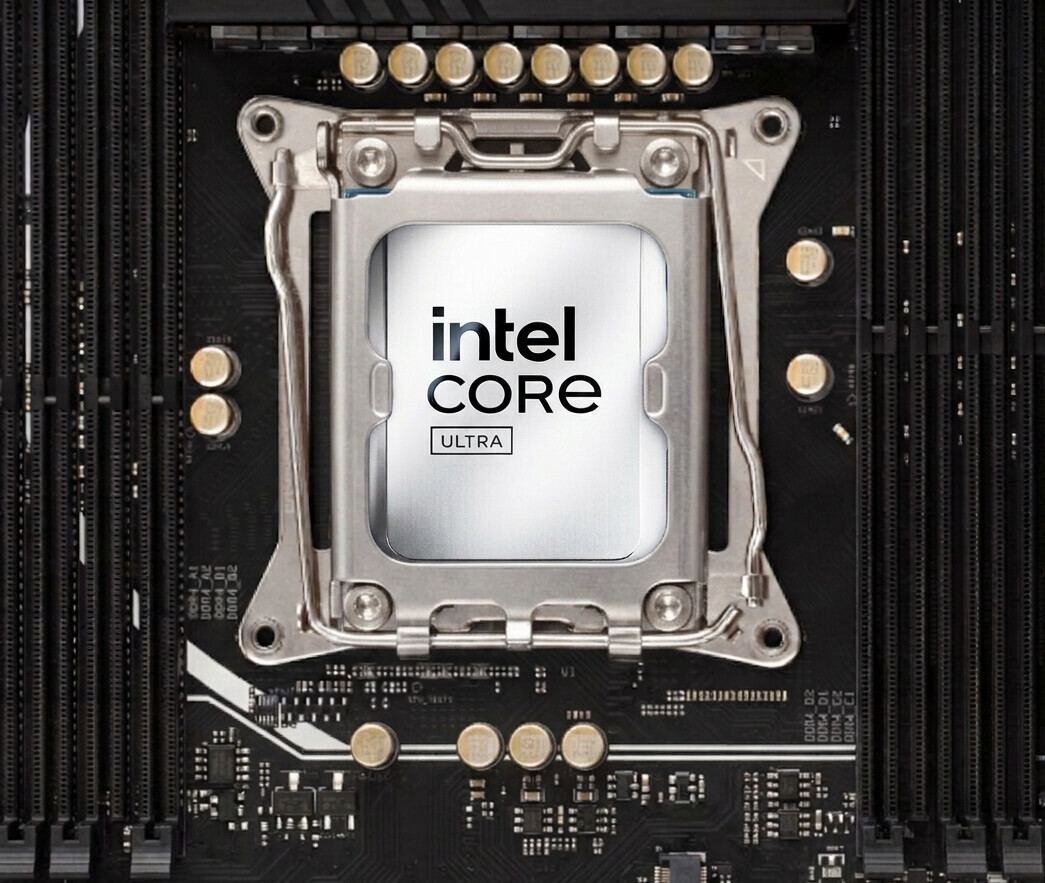
Intel Nova Lake-S Desktop CPUs to Feature Advanced 2L-ILM Socket Mechanism
Recent leaks surrounding Intel's highly anticipated "Nova Lake" processors have revealed significant changes in the desktop platform, particularly with the introduction of a new socket mounting and independent loading mechanism (ILM). According to exclusive details from VideoCardz, the upcoming Nova Lake-S (NVL-S) desktop CPUs will utilize the LGA-1954 socket, which incorporates a two-level independent loading mechanism (2L-ILM) designed to enhance contact with CPU coolers.
What Is the 2L-ILM Socket Mechanism?
The 2L-ILM is a sophisticated mounting system that uses two levers—one on each side of the CPU—to secure it firmly into the LGA-1954 socket. This dual-lever approach applies even pressure across both sides of the socket, resulting in improved flatness and a more reliable connection between the processor and the cooler. With Nova Lake-S processors expected to feature up to 52 high-frequency, power-intensive cores, this enhanced mounting mechanism is essential for maintaining optimal thermal performance and electrical contact.
Intel’s Evolving Socket Designs
Intel has a history of categorizing its desktop sockets with different ILM designs. The most common are the Default-ILM and RL-ILM. For example, with the "Arrow Lake" generation, Intel motherboards are divided based on the socket locking mechanism: Default-ILM is typically used for entry-level platforms, while RL-ILM is reserved for high-end, overclocking-focused motherboards. The RL-ILM offers superior pressure and a flatter surface, which is crucial for efficient heat transfer and stability during overclocking. Leading cooler manufacturers like Noctua and Cooler Master already account for these differences in their mounting hardware, although the general mounting process remains similar.
Historical Context: Revisiting the 2L-ILM Design
Intel’s use of the 2L-ILM is not entirely new. Enthusiasts may recall its implementation on the LGA 2011-3 HEDT socket, which debuted with the X99 Express motherboards in 2014. That platform featured 2011 LGA pins, closely mirroring the 1954 pins found in the upcoming NVL-S socket. The need for a two-lever mechanism arises when the socket approaches 2,000 pins, as the increased surface area demands greater and more evenly distributed pressure. This ensures that every contact pin on the CPU package makes a secure electrical connection with the corresponding pins in the socket, which is vital for both performance and reliability.
As Intel prepares to launch the Nova Lake-S desktop CPUs, the introduction of the advanced 2L-ILM socket mechanism underscores the company’s commitment to supporting higher core counts and improved thermal management. This evolution in socket design is set to play a crucial role in the next generation of high-performance desktop computing.