Intel Core 200 "Bartlett Lake-S": A Commercial CPU Breaks Into Consumer Territory
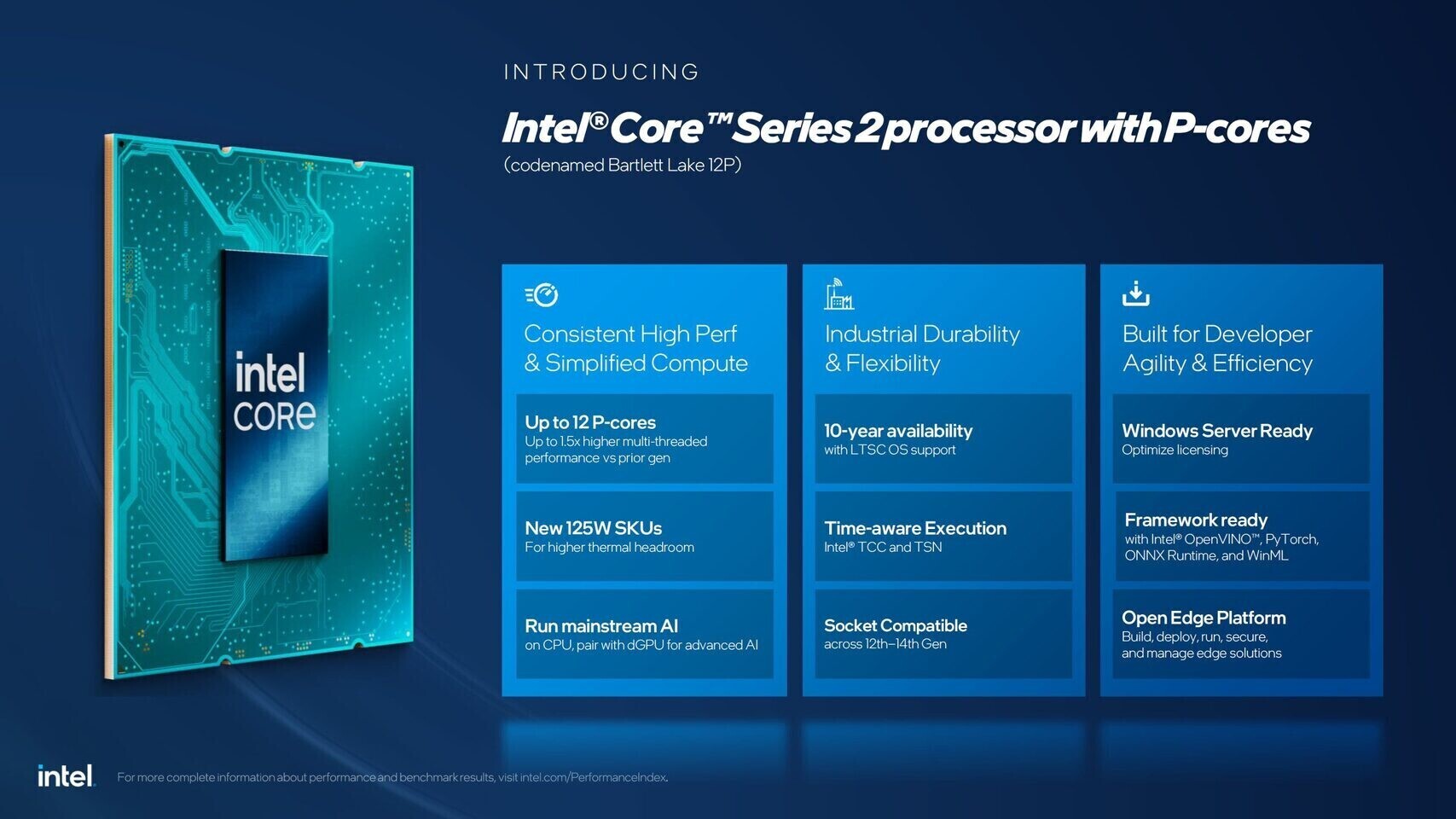
Intel’s Core 200 “Bartlett Lake-S” series has generated significant buzz in the tech community, not for its intended market, but for its unexpected potential in gaming and enthusiast circles. The flagship model, the Core 9 273PQE, is a 12-core, 24-thread processor designed specifically for commercial and industrial PC OEMs, targeting edge and embedded computing applications. Unlike mainstream gaming CPUs, this processor is not available to DIY builders and was never intended for use on consumer motherboards.
Breaking Compatibility Barriers
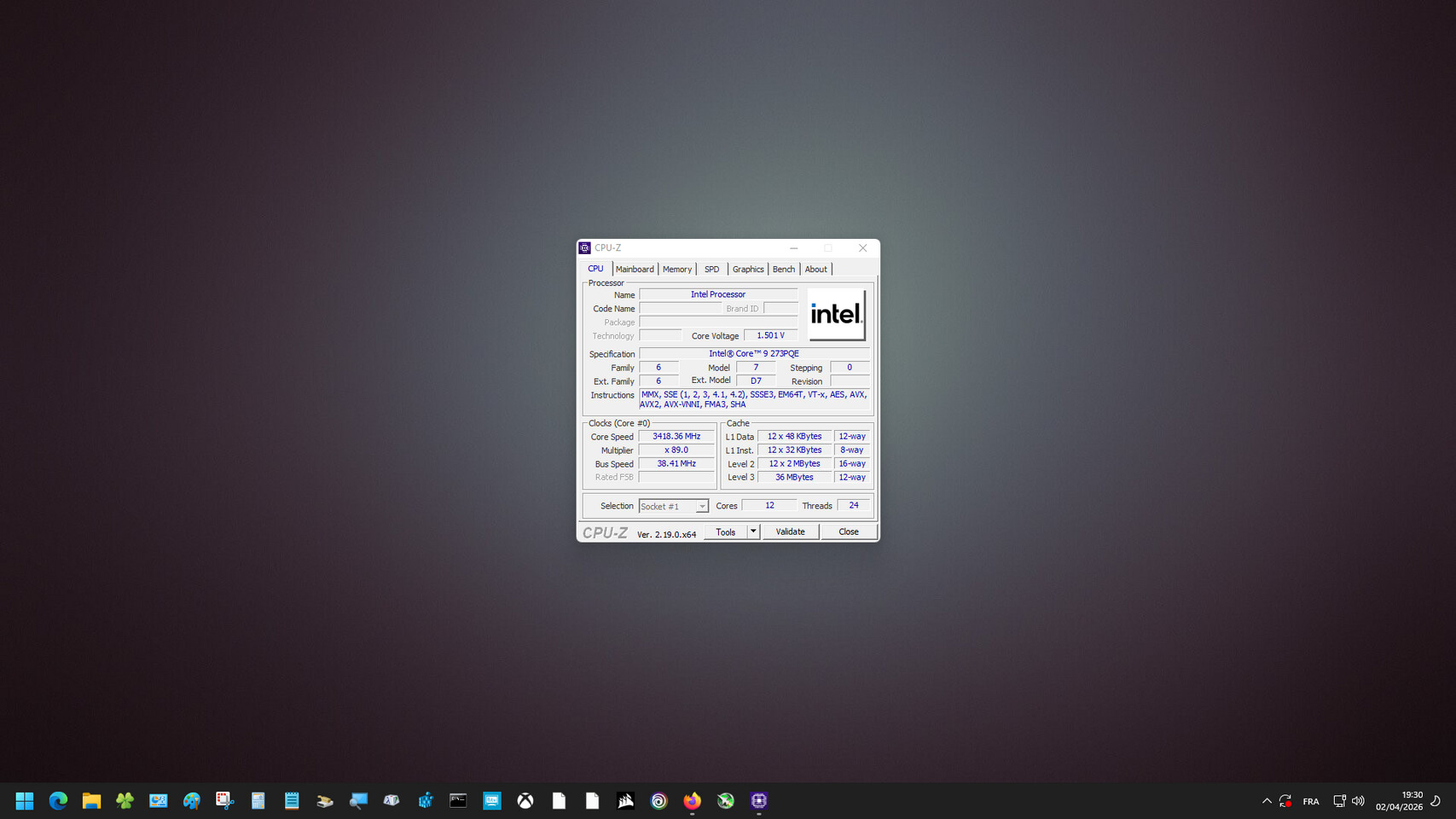
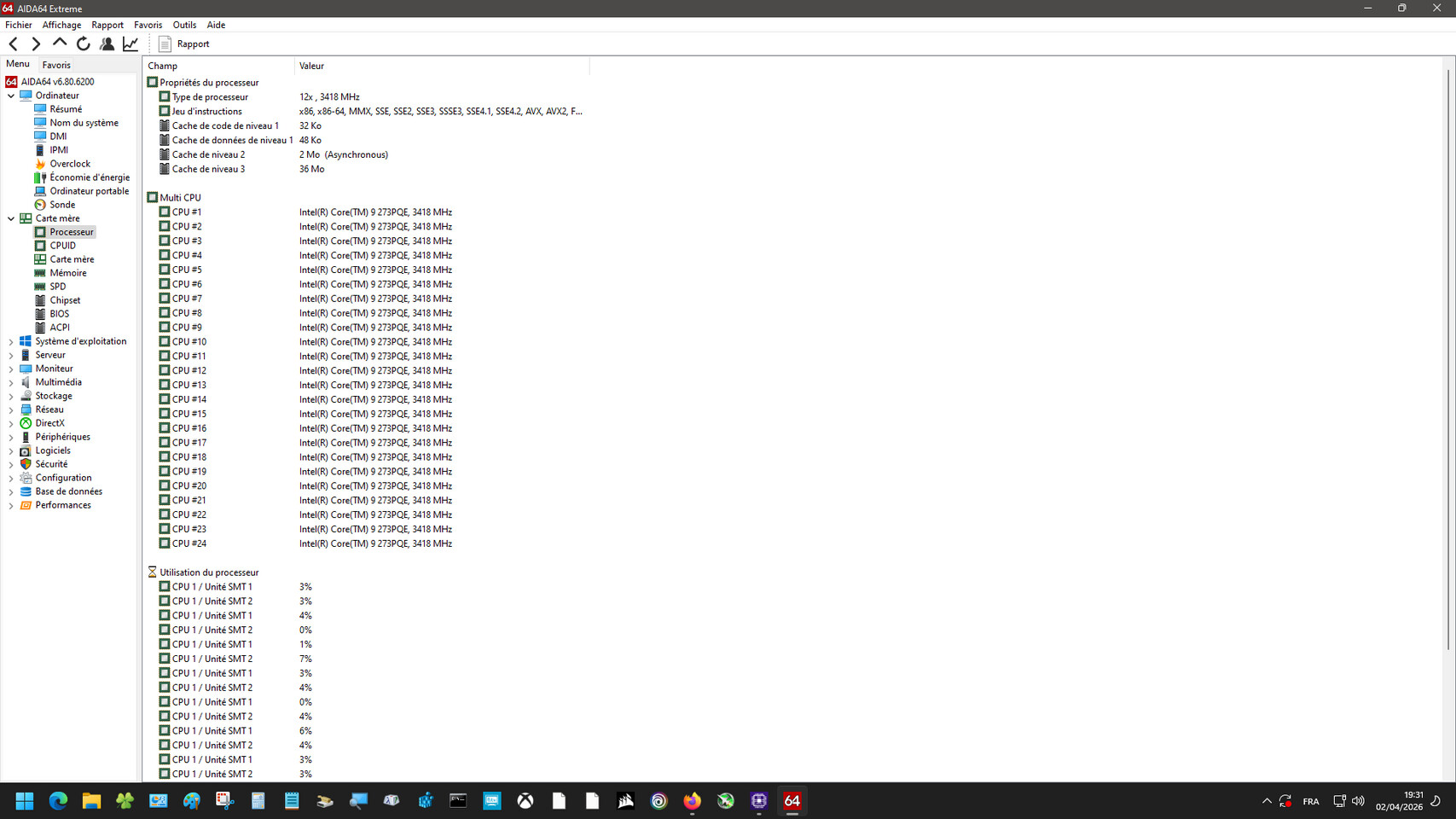
Despite Intel’s original design intentions, a resourceful modder has managed to boot the Core 9 273PQE into Windows on a standard Z790 motherboard. This is a significant breakthrough, as previous attempts with “Bartlett Lake” CPUs on consumer LGA 1700 boards could only reach the POST (Power-On Self-Test) stage, failing to load a fully functional operating system.
The “Bartlett Lake” chips are built on the Intel 7 process node and utilize the familiar LGA 1700 socket, the same physical interface as the popular “Raptor Lake” processors. However, physical compatibility does not guarantee functional support. The main challenge has always been the lack of official BIOS and microcode support, which are essential for proper CPU initialization. Without these, systems would typically fail to boot, displaying error codes or blank screens.
The recent success was achieved by modifying the motherboard firmware, allowing the processor to be recognized and initialized during the early boot process. Once this hurdle was cleared, Windows loaded successfully, marking a new milestone for enthusiasts interested in pushing hardware boundaries.
P-Core-Only Architecture: A Unique Approach
What sets the Core 9 273PQE apart is its non-hybrid architecture. Unlike Intel’s mainstream desktop CPUs, which combine performance (P-cores) and efficiency (E-cores), “Bartlett Lake” features up to 12 “Raptor Cove” P-cores exclusively, offering 24 threads without any E-core clusters. This design eliminates the need for Intel’s Thread Director or specialized Windows 11 kernel scheduling, potentially delivering more consistent performance in demanding applications and games.
For hardware enthusiasts and overclockers, this P-core-only configuration is particularly intriguing. It invites comparisons with high-end consumer chips like the Core i9-13900K and Core i9-14900K, raising questions about its real-world performance in gaming and productivity workloads.
Experimental Territory and Future Prospects
It’s important to note that running the Core 9 273PQE on a consumer Z790 motherboard remains an experimental endeavor. There is no official support from Intel or motherboard manufacturers, and system stability cannot be guaranteed. Future BIOS updates may further restrict or disable such modifications, making this achievement a fleeting opportunity for enthusiasts.
Nonetheless, this successful Windows boot demonstrates that the primary barrier to using “Bartlett Lake” CPUs on consumer hardware is firmware-related, rather than a fundamental hardware incompatibility. As the tech community continues to explore the limits of Intel’s latest processors, this development highlights both the ingenuity of modders and the evolving landscape of PC hardware compatibility.