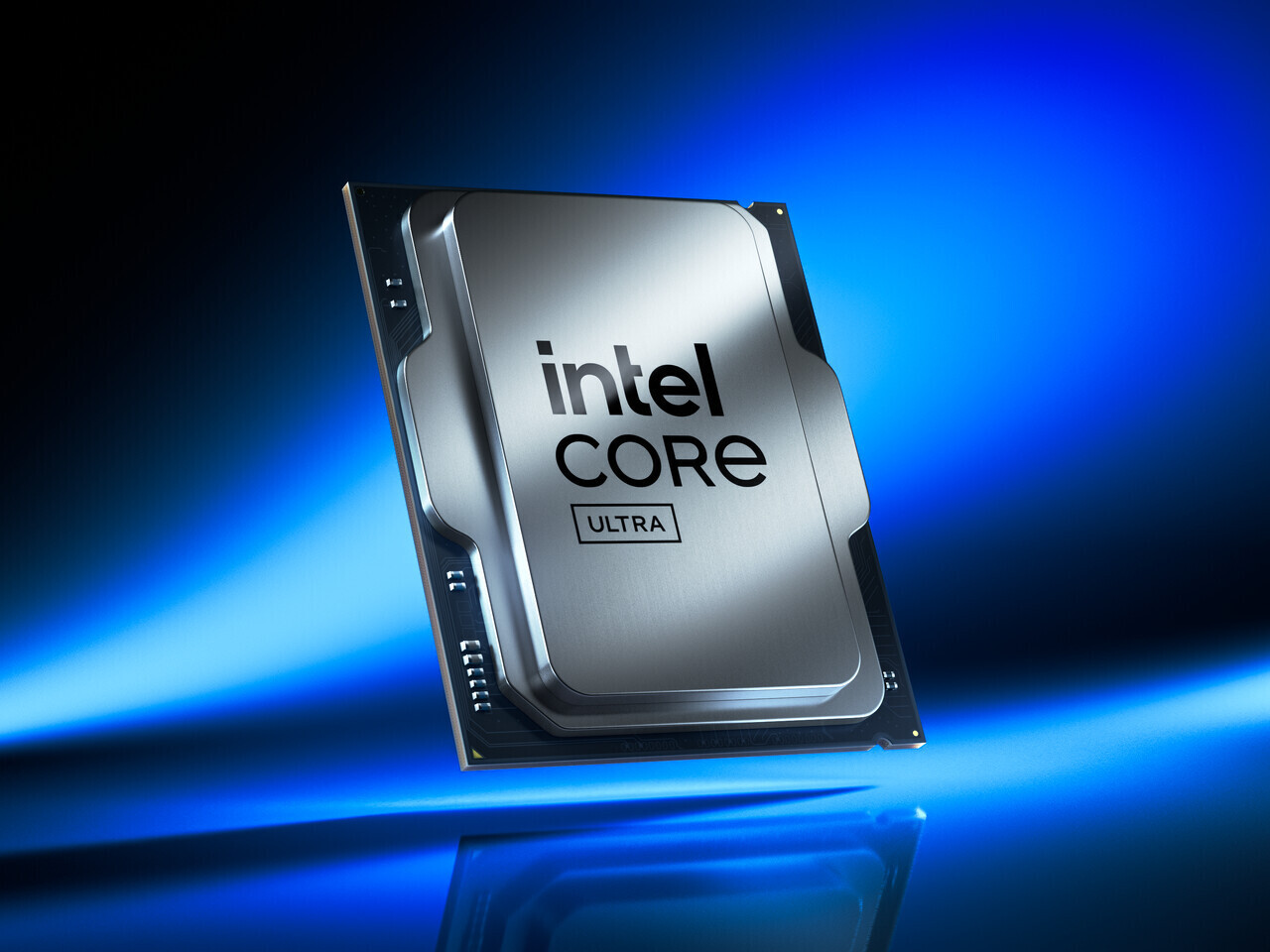
Intel Reveals Next-Generation CPU Architectures for Client and Server Platforms
Intel has officially confirmed the core microarchitectures that will drive its upcoming client and server processors, providing valuable insight into the company’s roadmap through 2026. According to Intel’s latest Instruction Set Architecture (ISA) reference update, the highly anticipated "Nova Lake" and "Diamond Rapids" processor families will feature the new "Coyote Cove" and "Panther Cove" P-cores, respectively. This announcement clarifies previous speculation and offers a clearer picture of Intel’s future CPU lineup.
Nova Lake: Advanced Performance for Client Systems
The Nova Lake family, set for release next year, will combine Coyote Cove performance cores (P-cores) with "Arctic Wolf" efficiency cores (E-cores). This generation will also introduce an updated integrated graphics tile based on the Xe3 architecture, promising significant improvements in graphics performance for both desktop and mobile platforms.
Desktop variants, known as Nova Lake-S, are expected to scale up to an impressive 52 cores, catering to users who demand high multi-threaded performance. Meanwhile, HX mobile versions will focus on delivering robust integrated GPU capabilities within power-optimized packages, making them ideal for high-performance laptops and mobile workstations.
Intel is also preparing a platform update featuring the new LGA 1954 socket. The company indicates that Nova Lake will deliver substantial gains in instructions per cycle (IPC) and performance per watt compared to previous generations, specifically the Cougar Cove and Darkmont designs.
Diamond Rapids: Next-Level Server Performance
On the server side, the Diamond Rapids lineup will utilize Panther Cove P-cores, with a strong emphasis on increasing core density to meet the demands of modern data centers. Diamond Rapids is scheduled to launch in the second half of 2026 and is expected to set new standards for server performance and efficiency.
Notably, the initial Panther Cove-based server processors will not support simultaneous multithreading (SMT). However, Intel plans to reintroduce Hyper-Threading technology with the subsequent "Coral Rapids" family, enhancing multi-threaded performance for data center workloads.
In addition to the main server and client lines, Intel is developing a Panther Cove-X variant aimed at workstation users, as well as a new entry-level Wildcat Lake series. Wildcat Lake will replace the current Twin Lake lineup and will utilize Cougar Cove P-cores alongside Darkmont E-cores, offering a balanced solution for entry-tier systems.
Looking Ahead: Intel’s Roadmap Through 2026
With these announcements, Intel is providing the industry with a transparent view of its upcoming processor architectures and platform updates. The combination of Coyote Cove and Panther Cove cores, along with advancements in integrated graphics and platform infrastructure, positions Intel to deliver significant improvements in performance, efficiency, and scalability across both client and server markets.